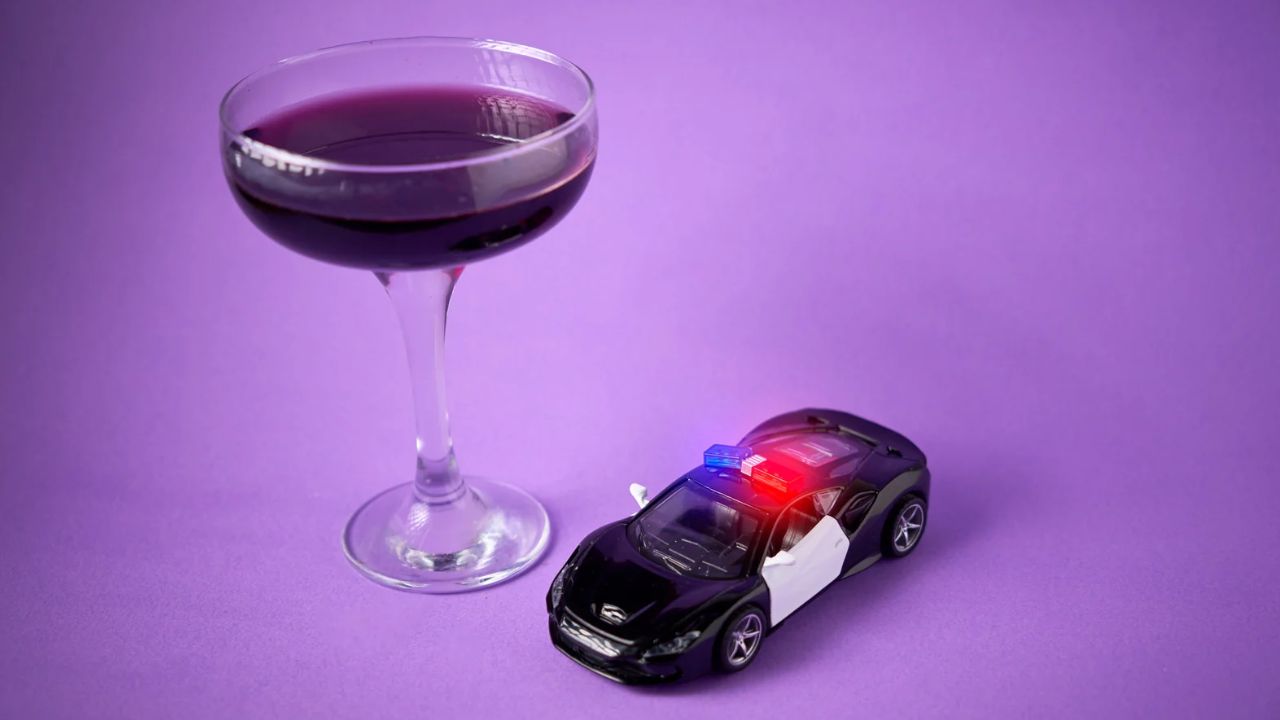
Thailand has rolled out stricter penalties for drunk driving, and the changes hit harder for repeat offenders and anyone caught driving under the influence with a passenger under 15 in the car. If you’re living in or visiting Thailand and you drive, it’s worth knowing exactly what’s changed before you’re the one explaining yourself to a Thai traffic officer.
Why Thailand Decided to Crack Down Now
Road deaths tied to drunk driving have been a persistent problem in Thailand for years, especially around holidays like Songkran and New Year, when checkpoints go up across the country and arrests spike. Public pressure built up after a string of high-profile accidents involving repeat DUI offenders, people who’d already been caught once or twice and kept driving anyway. Lawmakers responded by closing some of the gaps that let repeat offenders avoid serious consequences.
The Role of Songkran and Holiday Crackdowns
Anyone who’s spent a holiday season in Thailand knows the police set up far more checkpoints than usual during these stretches. It’s not just theater. Enforcement data the government has shared informally over the years shows these periods carry the highest number of alcohol-related crashes, and that’s part of why the new penalties specifically increase consequences for offenses that happen during declared “dangerous periods,” which usually line up with major holidays.
What Actually Changed in the Law
The core change raises both fines and jail time for DUI convictions, but the bigger shift is how the law treats repeat offenses. First-time offenders still face fines and possible license suspension, but a second conviction within a certain window now triggers mandatory jail time rather than just a heavier fine. That’s a real shift from how things used to work, where repeat offenders could sometimes negotiate their way to another fine.
Blood Alcohol Limits and Testing
The legal blood alcohol limit itself hasn’t moved much, it’s still set low by international standards, but testing procedures have gotten more consistent across provinces. Before, enforcement varied a lot depending on which province you were in and how equipped the local police station was. Now there’s more pressure on stations to have working breathalyzer equipment on hand, not just for show during big enforcement pushes.
Harsher Consequences for Driving With Children in the Car
One of the more notable additions targets drivers caught driving under the influence with a child under 15 as a passenger. This carries an automatic increase in penalties, separate from the standard DUI charge. It’s a direct response to cases where drunk driving accidents involved young kids in the vehicle, something that understandably generated a lot of public anger when it made local news.
Enhanced Penalties for Passenger Safety
This part of the law also extends to cases where the driver causes injury or death while a minor is in the car, stacking additional charges on top of the DUI itself. For parents or anyone who regularly drives with kids in Thailand, it’s a reminder that the consequences aren’t limited to the driver’s own risk anymore.
How This Affects Foreigners and Expats Driving in Thailand
If you’re a foreigner driving on an international license or a converted Thai license, you’re not exempt from any of this. Thai traffic police don’t treat tourists or expats differently when it comes to DUI enforcement, and in some provinces popular with tourists, like Phuket or Chiang Mai, enforcement during peak season has actually increased. A DUI conviction can also complicate visa renewals or work permit applications down the line, since some immigration processes ask about criminal history.
License Suspension and the Appeals Process
License suspension now kicks in faster after a DUI arrest, sometimes before a case even goes to court. That’s caused some frustration among drivers who feel they’re losing driving privileges before being formally convicted. There is an appeals process through the Land Transport Department, but it takes time, and in the meantime you’re not legally allowed to drive. Anyone facing a suspension should get a Thai lawyer involved early rather than waiting to see how the court case plays out.
What This Means If You Drive in Thailand
None of this changes the basic advice people have been giving for years: don’t drink and drive in Thailand, full stop. But the stakes are higher now, especially if you’ve got a prior conviction or you’re driving with kids in the car. Grab a taxi, call a friend, or just wait it out. The inconvenience of finding another ride home is nothing compared to what you’re looking at under the new rules.